
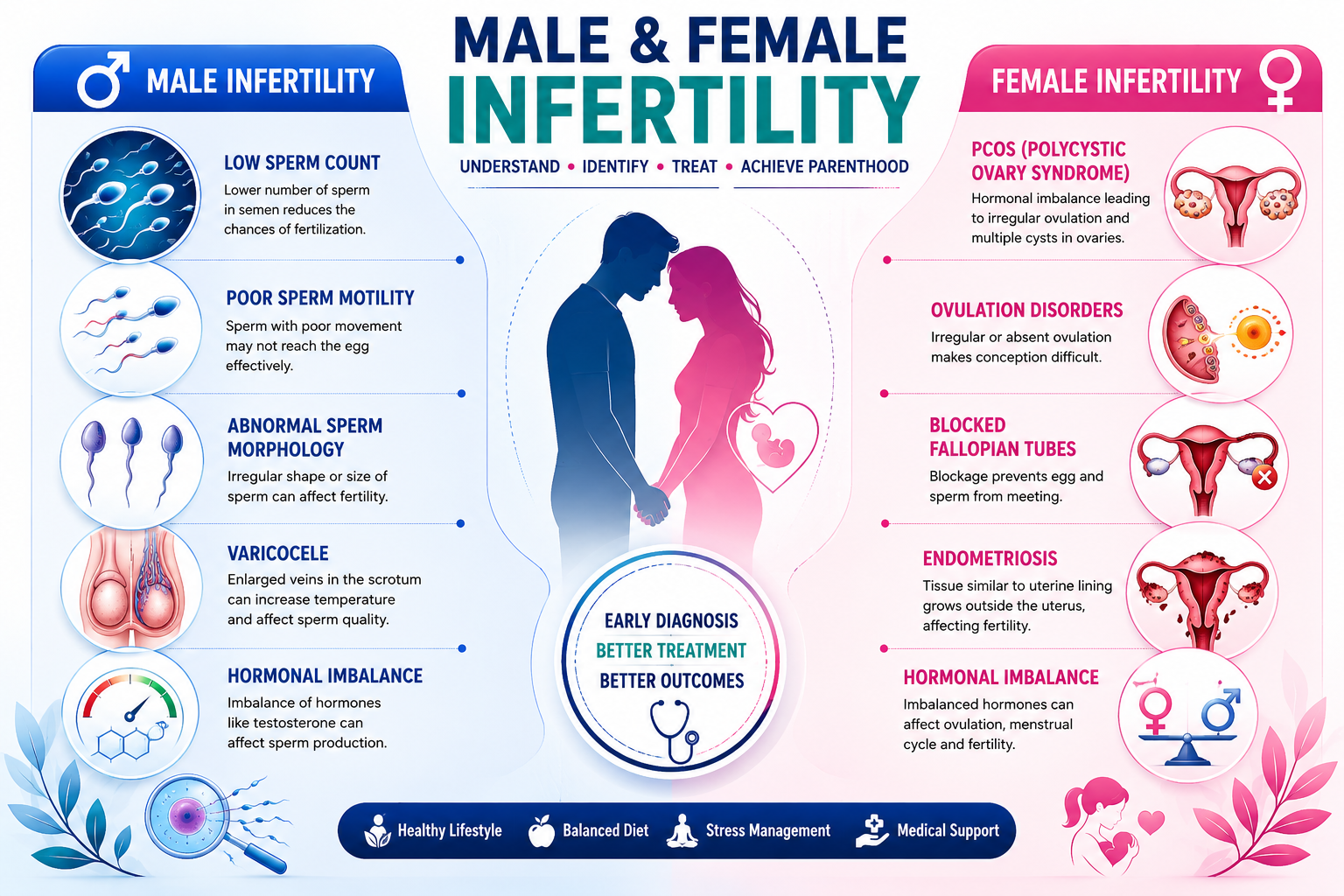
Low Sperm Count (Oligospermia): A lower-than-normal number of sperm in semen, reducing the chances of fertilization.
Poor Sperm Motility: Reduced movement of sperm, making it difficult for them to reach and fertilize the egg.
Abnormal Sperm Morphology: Irregular sperm shape that may affect fertility and conception.
Azoospermia: A condition in which no sperm are present in the semen.
Erectile Dysfunction: Difficulty achieving or maintaining an erection sufficient for sexual intercourse.
Varicocele: Enlarged veins in the scrotum that can impair sperm production and quality.
Hormonal Imbalance: Abnormal hormone levels affecting sperm production and reproductive function.
Testicular Disorders: Conditions affecting the testes that may reduce sperm production.
Male Sexual Dysfunction: Problems related to ejaculation or sexual performance that can affect conception.
Lifestyle-Related Male Infertility: Fertility issues associated with smoking, alcohol, obesity, stress, poor diet, or exposure to toxins.
Ovulation Disorders: Irregular or absent ovulation, making conception difficult.
Polycystic Ovary Syndrome (PCOS): A hormonal disorder causing irregular periods, ovulation problems, and fertility challenges.
Irregular Menstrual Cycles: Unpredictable menstrual periods that may indicate hormonal or ovulatory issues.
Blocked Fallopian Tubes: Obstruction in the fallopian tubes preventing the egg and sperm from meeting.
Endometriosis: A condition where tissue similar to the uterine lining grows outside the uterus, affecting fertility.
Hormonal Imbalance: Disruptions in reproductive hormones that can interfere with ovulation and pregnancy.
Uterine Fibroids: Non-cancerous growths in the uterus that may affect fertility or implantation.
Ovarian Disorders: Conditions affecting the ovaries and egg production, leading to conception difficulties.
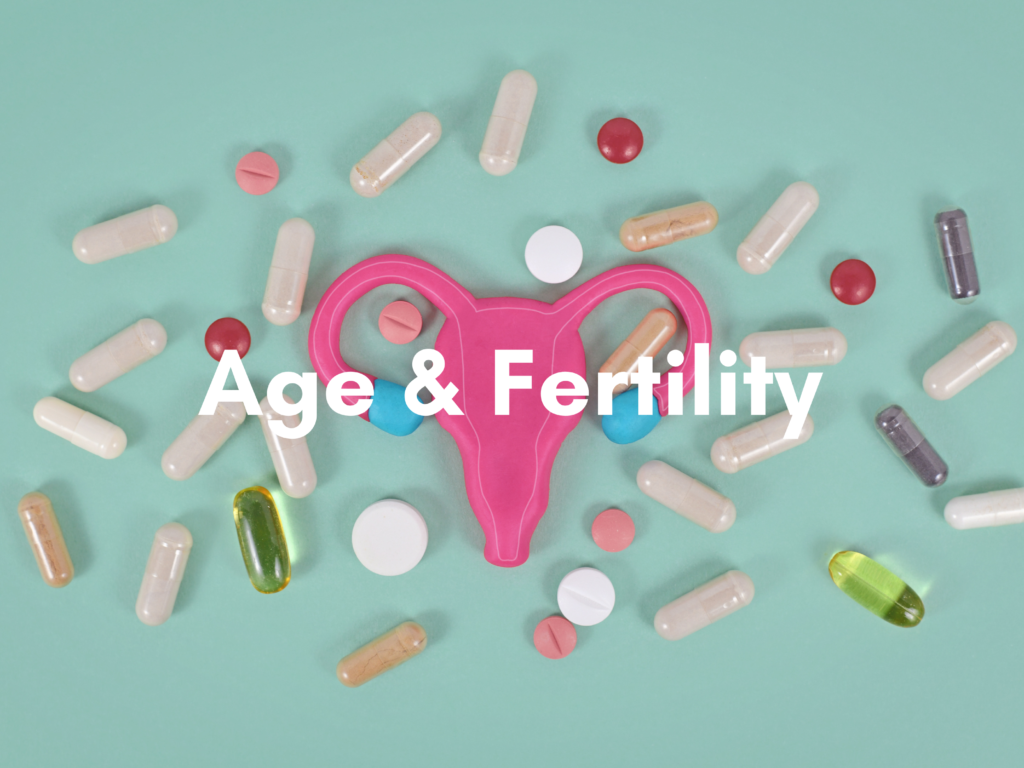
Advanced Maternal Age: Declining egg quality and quantity with increasing age, reducing fertility potential.
Recurrent Pregnancy Loss: Repeated miscarriages that may indicate underlying reproductive health concerns.
Secondary Infertility: Difficulty conceiving after previously having one or more successful pregnancies.
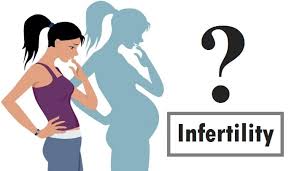
Unexplained Infertility: Inability to conceive despite normal fertility test results for both partners.
Lifestyle-Related Female Infertility: Fertility problems influenced by stress, obesity, smoking, poor nutrition, or excessive exercise.
Pre-Conception Counseling: Medical guidance to improve reproductive health before pregnancy.
Fertility Evaluation: Comprehensive assessment of male and female reproductive health to identify causes of infertility.
Healthy Lifestyle Support: Balanced nutrition, exercise, stress management, and healthy habits that support fertility.
Infertility Treatment & Care: Personalized treatment approaches aimed at improving the chances of natural conception and a healthy pregnancy.
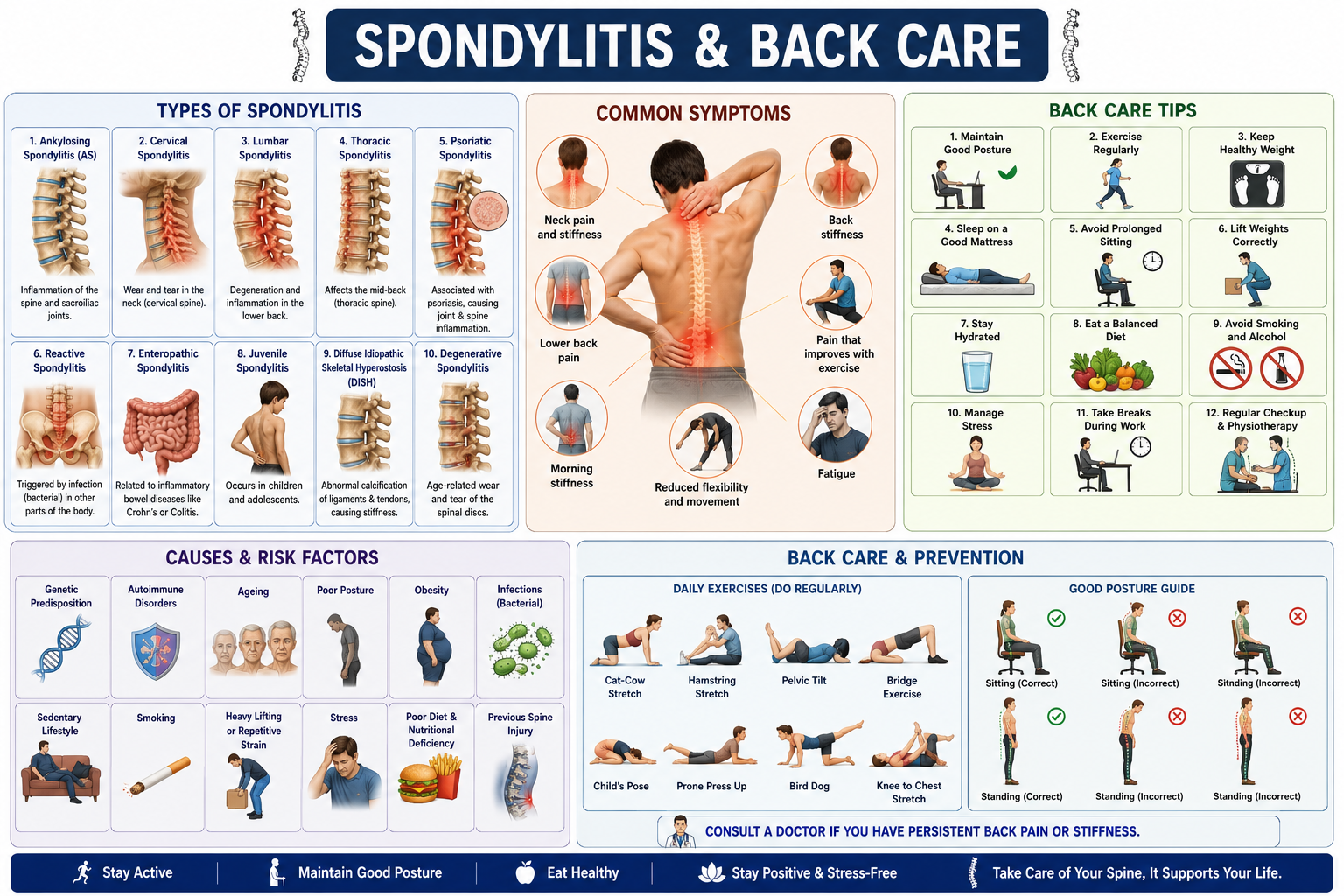
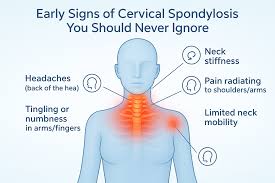
Cervical Spondylitis: Degenerative changes in the neck vertebrae causing neck pain, stiffness, headaches, and shoulder discomfort.
Lumbar Spondylitis: Wear and tear of the lower spine leading to lower back pain, stiffness, and reduced mobility.
Ankylosing Spondylitis: A chronic inflammatory condition that mainly affects the spine and can cause stiffness, pain, and reduced flexibility.
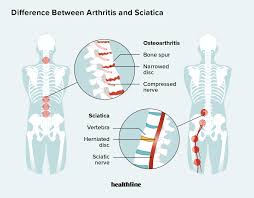
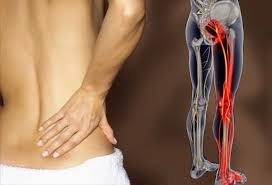
Sciatica: Pain that radiates from the lower back through the buttocks and down the leg due to irritation or compression of the sciatic nerve.
Lower Back Pain: One of the most common musculoskeletal conditions, often caused by poor posture, muscle strain, or spinal disorders.
Upper Back Pain: Pain and stiffness in the upper spine caused by muscle tension, poor posture, or prolonged sitting.
Neck Pain: Discomfort and stiffness in the neck region resulting from muscle strain, cervical spondylitis, or poor ergonomics.
Herniated Disc (Slip Disc): Occurs when a spinal disc bulges or ruptures, putting pressure on nearby nerves and causing pain or numbness.
Degenerative Disc Disease: Age-related wear of spinal discs leading to chronic back pain and reduced flexibility.
Spinal Stenosis: Narrowing of the spinal canal that compresses nerves, causing pain, weakness, and numbness.
Postural Back Problems: Back pain caused by poor sitting, standing, or sleeping posture, leading to muscle imbalance and strain.
Muscle Spasm: Sudden tightening of back muscles resulting in pain, stiffness, and restricted movement.
Frozen Shoulder: Painful stiffness of the shoulder joint that can affect arm movement and daily activities.
Tailbone Pain (Coccydynia): Pain in the coccyx area often caused by injury, prolonged sitting, or inflammation.
Sacroiliac Joint Dysfunction: Pain arising from the joints connecting the spine and pelvis, often felt in the lower back and hips.
Disc Bulge: A condition where a spinal disc extends beyond its normal boundary, causing nerve irritation and pain.
Nerve Compression: Pressure on spinal nerves resulting in pain, tingling, numbness, or weakness in the limbs.
Back Stiffness: Reduced flexibility and movement in the spine due to inflammation, injury, or degenerative conditions.
Post-Traumatic Back Pain: Persistent pain following accidents, falls, sports injuries, or physical trauma.
Chronic Back Pain: Long-term back pain lasting more than three months, affecting daily activities and quality of life.
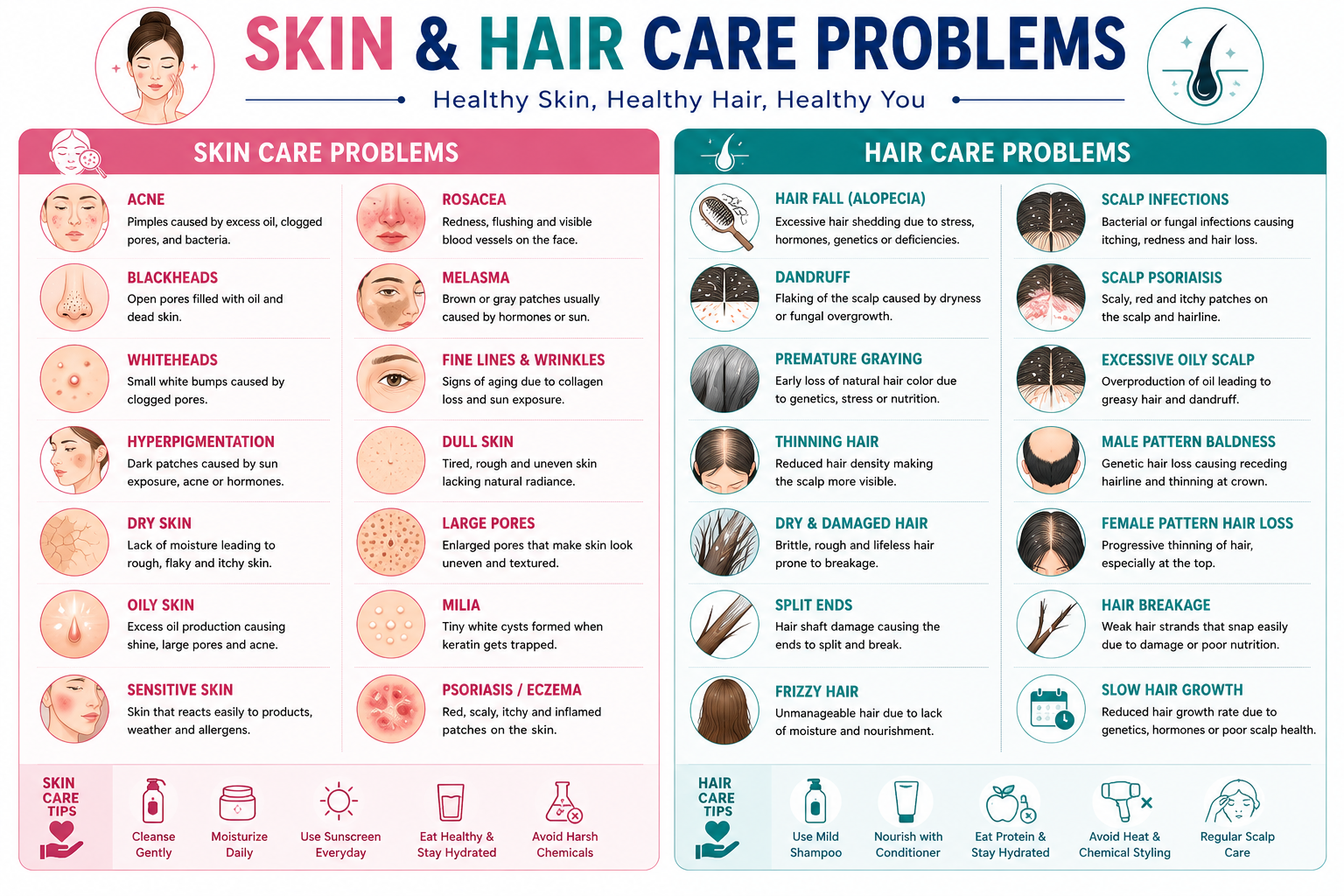
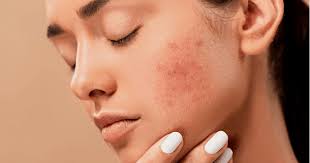
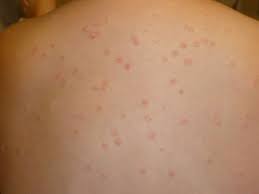
Acne: Pimples caused by clogged pores, excess oil, and bacterial growth. Common on the face, chest, and back.
Blackheads: Open pores filled with oil and dead skin that turn black when exposed to air.
Whiteheads: Closed clogged pores appearing as small white bumps on the skin.
Hyperpigmentation: Dark patches caused by excess melanin production due to sun exposure, acne, or hormonal changes.
Melasma: Brown or gray facial patches commonly triggered by hormones, pregnancy, or sunlight.
Freckles: Small brown spots caused by genetics and increased sun exposure.
Age Spots: Flat dark spots that develop due to long-term sun damage and aging.
Rosacea: A chronic skin condition causing facial redness, flushing, and visible blood vessels.
Sensitive Skin: Skin that easily reacts to products, weather changes, or allergens.
Dry Skin (Xerosis): Skin lacking moisture, leading to roughness, itching, and flaking.
Oily Skin: Excess sebum production causing shine, enlarged pores, and acne breakouts.
Large Pores: Visible enlarged pores often associated with oily skin and aging.
Fine Lines & Wrinkles: Signs of aging caused by collagen loss, sun exposure, and facial expressions.
Dull Skin: Skin that appears tired, uneven, and lacks natural radiance.
Milia: Tiny white cysts formed when keratin becomes trapped under the skin.
Psoriasis: An autoimmune condition causing red, thick, scaly patches on the skin.
Vitiligo: Loss of skin pigment resulting in white patches on different body areas.
Fungal Skin Infections: Infections caused by fungi leading to itching, redness, and skin peeling.
Eczema (Dermatitis): Inflammatory skin condition causing dryness, itching, and irritation.
Keratosis Pilaris: Small rough bumps often appearing on the arms, thighs, and cheeks.
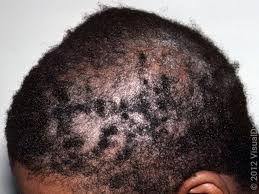
Hair Fall (Alopecia): Excessive hair shedding caused by stress, genetics, hormonal imbalance, or nutritional deficiencies.
Dandruff: Flaking of the scalp associated with dryness or fungal overgrowth.
Premature Graying: Early loss of hair pigment due to genetics, stress, or nutritional factors.
Thinning Hair: Reduced hair density making the scalp more visible.
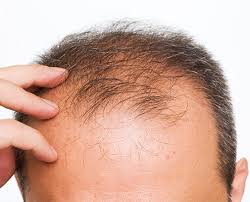
Male Pattern Baldness: Genetic hair loss causing receding hairline and thinning at the crown.
Female Pattern Hair Loss: Progressive thinning of hair, especially at the top of the scalp.
Scalp Psoriasis: Scaly, itchy patches affecting the scalp and hairline.
Dry & Damaged Hair: Hair that becomes brittle, rough, and prone to breakage.
Split Ends: Hair shaft damage causing the ends to split into multiple strands.
Scalp Infections: Bacterial or fungal infections causing itching, redness, and hair loss.
Alopecia Areata: An autoimmune condition causing sudden patchy hair loss.
Frizzy Hair: Hair that appears rough and difficult to manage due to lack of moisture.
Excessive Oily Scalp: Overproduction of scalp oil leading to greasy hair and dandruff.
Hair Breakage: Weak hair strands that snap easily due to damage or nutritional deficiencies.
Slow Hair Growth: Reduced hair growth rate caused by genetics, hormonal issues, or poor scalp health.
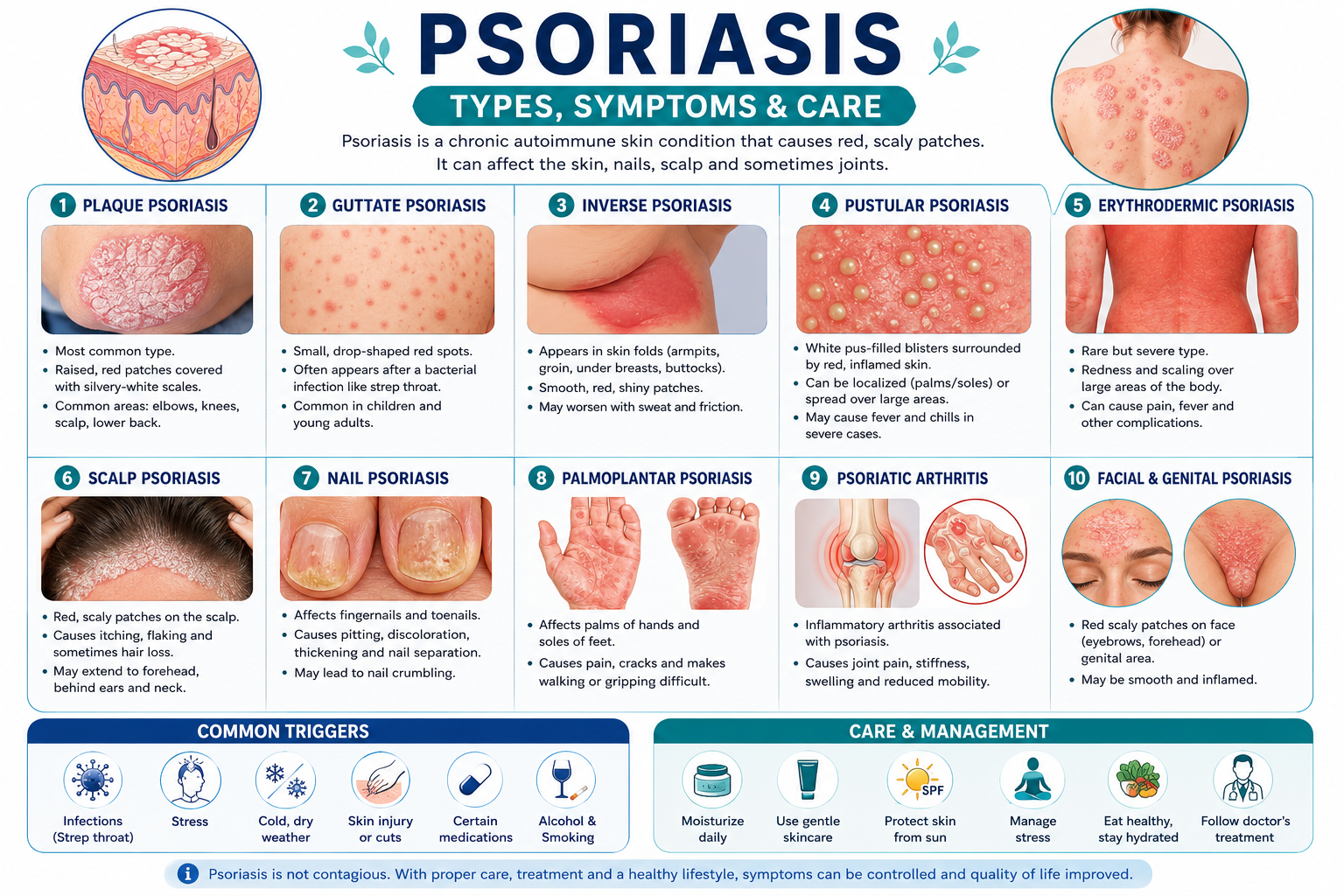
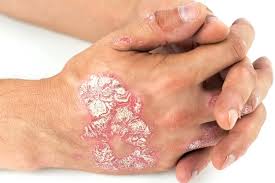
Plaque Psoriasis: The most common type of psoriasis, characterized by raised, red patches covered with silvery-white scales.
Scalp Psoriasis: Psoriasis affecting the scalp, causing itching, flaking, redness, and thick scaly patches.
Guttate Psoriasis: Small, drop-shaped red spots that often appear after a bacterial infection such as strep throat.
Inverse Psoriasis: Smooth, red patches found in skin folds such as the armpits, groin, and under the breasts.
Pustular Psoriasis: A rare form of psoriasis characterized by white pus-filled blisters surrounded by inflamed skin.
Erythrodermic Psoriasis: A severe and uncommon type causing widespread redness, scaling, and skin shedding over large areas of the body.
Nail Psoriasis: Psoriasis affecting the fingernails and toenails, leading to pitting, discoloration, thickening, and nail separation.
Psoriatic Arthritis: An inflammatory joint condition associated with psoriasis that causes joint pain, stiffness, and swelling.
Skin Redness & Inflammation: Persistent redness and irritation caused by an overactive immune response in the skin.
Silvery Scales: Thick, flaky scales that commonly develop on psoriasis plaques and affected skin areas.
Dry & Cracked Skin: Skin may become excessively dry, cracked, and sometimes bleed due to inflammation.
Itching & Burning Sensation: Many individuals experience itching, burning, or soreness in affected areas.
Elbow & Knee Psoriasis: Psoriasis commonly affects the elbows and knees, producing thick, scaly patches.
Palmoplantar Psoriasis: Psoriasis affecting the palms of the hands and soles of the feet, causing pain and difficulty with daily activities.
Facial Psoriasis: Psoriasis occurring on the face, particularly around the eyebrows, forehead, and hairline.
Ear Psoriasis: Scaling and inflammation inside or around the ears that may cause discomfort and itching.
Genital Psoriasis: Psoriasis affecting the genital area, often appearing as smooth, red, and inflamed patches.
Psoriasis Flare-Ups: Periods when symptoms worsen due to triggers such as stress, infections, weather changes, or certain medications.
Chronic Skin Inflammation: Long-term immune-mediated inflammation that accelerates skin cell growth and causes recurring symptoms.
Psoriasis Management: Proper skin care, lifestyle modifications, and medical treatment can help control symptoms and reduce flare-ups.
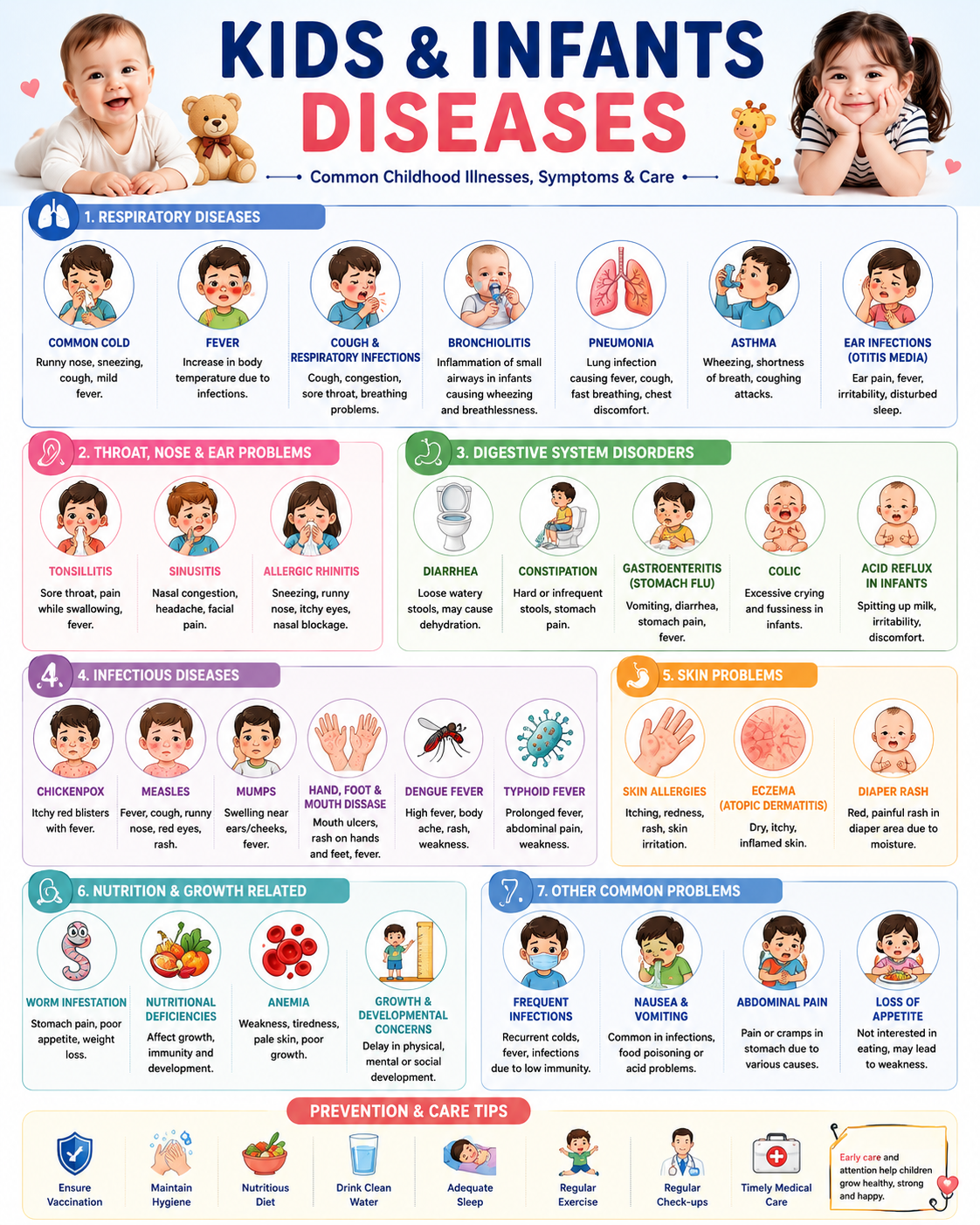
Common Cold: A viral infection causing a runny nose, sneezing, cough, and mild fever in children and infants.
Fever: An increase in body temperature usually caused by infections, teething, or other illnesses.
Cough & Respiratory Infections: Infections affecting the airways that can lead to coughing, congestion, and breathing difficulties.
Bronchiolitis: A common lung infection in infants that causes inflammation of the small airways and breathing problems.
Pneumonia: An infection of the lungs that may cause fever, cough, rapid breathing, and chest discomfort.
Asthma: A chronic respiratory condition causing wheezing, shortness of breath, and recurrent coughing episodes.
Ear Infections (Otitis Media): Infections of the middle ear that can cause ear pain, fever, and irritability.
Tonsillitis: Inflammation of the tonsils leading to sore throat, difficulty swallowing, and fever.
Sinusitis: Infection or inflammation of the sinuses causing nasal congestion, headache, and facial discomfort.
Diarrhea: Frequent loose stools that can lead to dehydration if not treated promptly.
Constipation: Difficulty passing stools or infrequent bowel movements causing abdominal discomfort.
Gastroenteritis (Stomach Flu): Infection of the digestive tract causing vomiting, diarrhea, stomach pain, and fever.
Colic: Excessive crying and fussiness in infants, often associated with digestive discomfort.
Acid Reflux in Infants: A condition where stomach contents flow back into the food pipe, causing spitting up and irritability.
Chickenpox: A contagious viral infection characterized by itchy red blisters and fever.
Measles: A highly contagious viral disease causing fever, cough, rash, and red eyes.
Mumps: A viral infection causing swelling of the salivary glands and fever.
Hand, Foot and Mouth Disease (HFMD): A viral illness causing mouth ulcers and rashes on the hands and feet.
Dengue Fever: A mosquito-borne viral infection causing high fever, body pain, rash, and weakness.
Typhoid Fever: A bacterial infection causing prolonged fever, abdominal pain, and digestive symptoms.
Skin Allergies: Allergic reactions causing itching, redness, rashes, and skin irritation.
Eczema (Atopic Dermatitis): A chronic skin condition causing dry, itchy, and inflamed skin.
Diaper Rash: Skin irritation in the diaper area caused by moisture, friction, or infection.
Worm Infestation: Intestinal parasites that can cause abdominal pain, poor appetite, and nutritional deficiencies.
Nutritional Deficiencies: Lack of essential vitamins and minerals affecting growth, immunity, and development.
Anemia: A condition caused by low hemoglobin levels, leading to tiredness, weakness, and poor growth.
Growth & Developmental Concerns: Delays in physical, mental, or behavioral milestones requiring evaluation and support.
Frequent Infections: Recurrent illnesses due to immature immunity or underlying health conditions.
Allergic Rhinitis: Nasal allergy causing sneezing, runny nose, nasal blockage, and itchy eyes.
Child Health Care: Proper nutrition, vaccination, hygiene, regular check-ups, and timely treatment help ensure healthy growth and development.
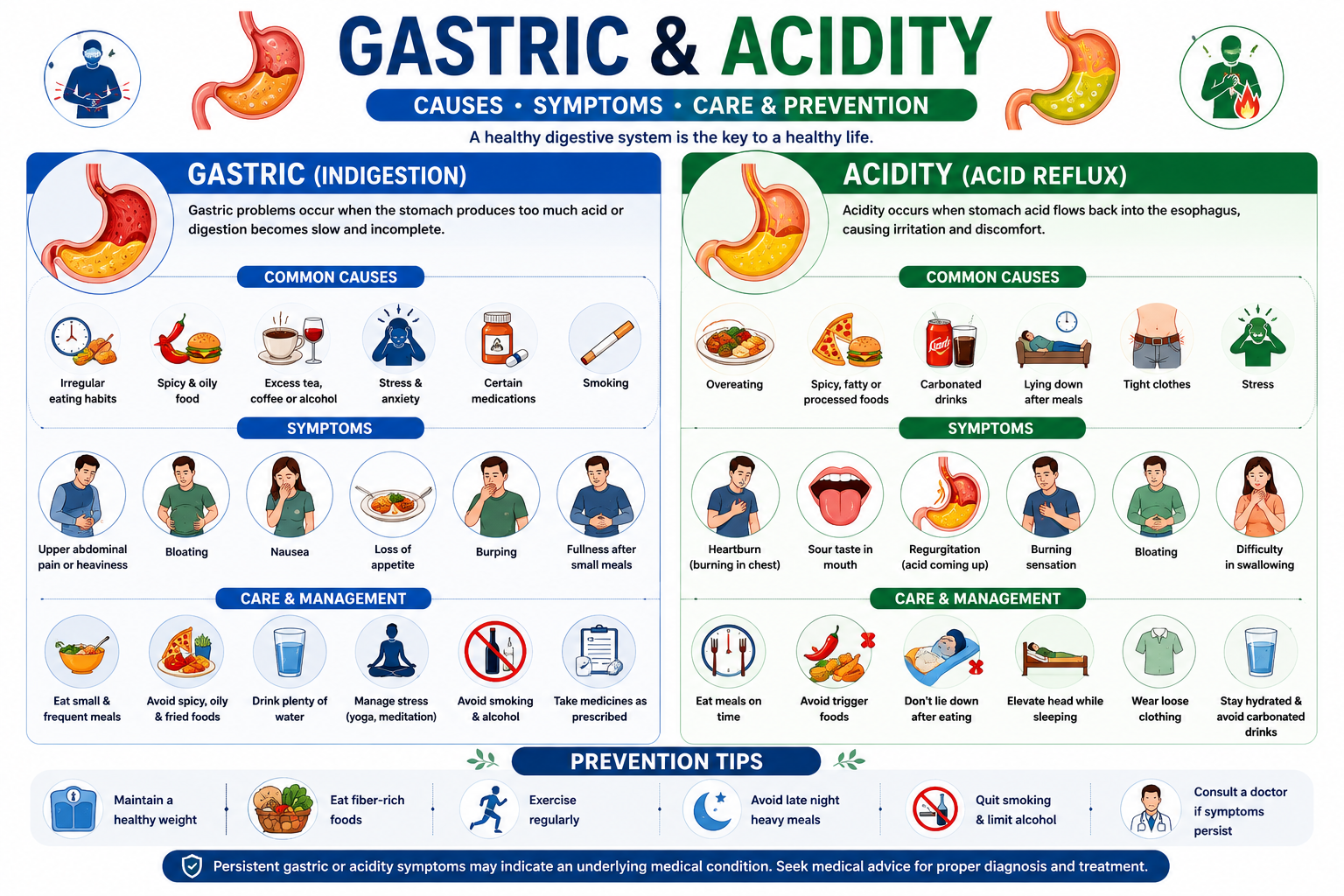
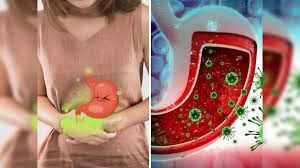
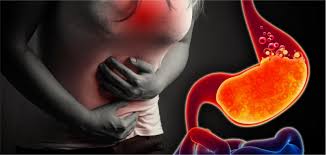
Gastritis: Inflammation of the stomach lining that can cause stomach pain, nausea, bloating, and indigestion.
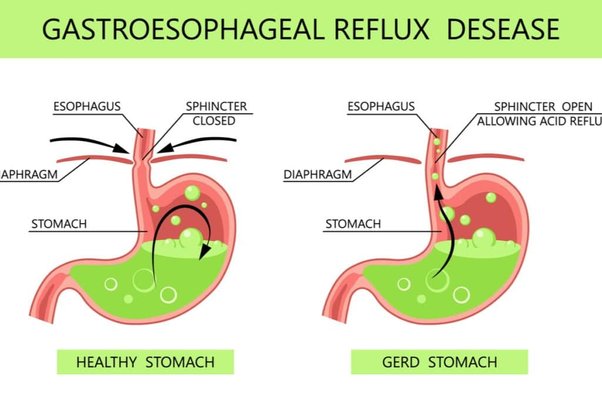
Acidity (Acid Reflux): A condition in which stomach acid flows back into the food pipe, causing heartburn and a burning sensation in the chest.
Gastroesophageal Reflux Disease (GERD): A chronic form of acid reflux that can lead to irritation of the esophagus and persistent heartburn.
Indigestion (Dyspepsia): Discomfort or pain in the upper abdomen, often accompanied by bloating, belching, and nausea.
Stomach Ulcers: Open sores that develop in the lining of the stomach, causing pain, burning sensation, and digestive problems.
Peptic Ulcer Disease: Ulcers occurring in the stomach or upper small intestine due to excess acid or bacterial infection.
Bloating: A feeling of fullness or swelling in the abdomen caused by excess gas or digestive disturbances.
Excessive Gas (Flatulence): Accumulation of gas in the digestive tract leading to discomfort, burping, and abdominal distension.
Helicobacter pylori (H. pylori) Infection: A bacterial infection that can cause gastritis, ulcers, and long-term stomach complications.
Functional Dyspepsia: Chronic indigestion without any identifiable structural disease of the digestive tract.
Hiatal Hernia: A condition where part of the stomach pushes through the diaphragm, often causing acid reflux symptoms.
Food Intolerance: Difficulty digesting certain foods, leading to bloating, abdominal pain, nausea, or diarrhea.
Irritable Bowel Syndrome (IBS): A digestive disorder causing abdominal pain, bloating, constipation, or diarrhea.
Constipation: Difficulty passing stools or infrequent bowel movements, often associated with abdominal discomfort.
Diarrhea: Frequent loose or watery stools that may result from infections, food intolerance, or digestive disorders.
Nausea & Vomiting: Common symptoms of gastric disorders, infections, food poisoning, or acid-related conditions.
Abdominal Pain: Pain or discomfort in the stomach area caused by inflammation, ulcers, gas, or digestive disorders.
Loss of Appetite: Reduced desire to eat, commonly associated with gastric inflammation and digestive problems.
Heartburn: A burning sensation in the chest caused by stomach acid moving into the esophagus.
Digestive Health Management: Healthy eating habits, adequate hydration, stress management, and timely medical care can help maintain good digestive health and prevent gastric disorders.






 All services